Latur & Ausa
Planning interiors in Latur and Ausa: what to prepare first
A practical briefing checklist for Latur and Ausa homeowners: rooms, measurements, priorities, access and decisions.
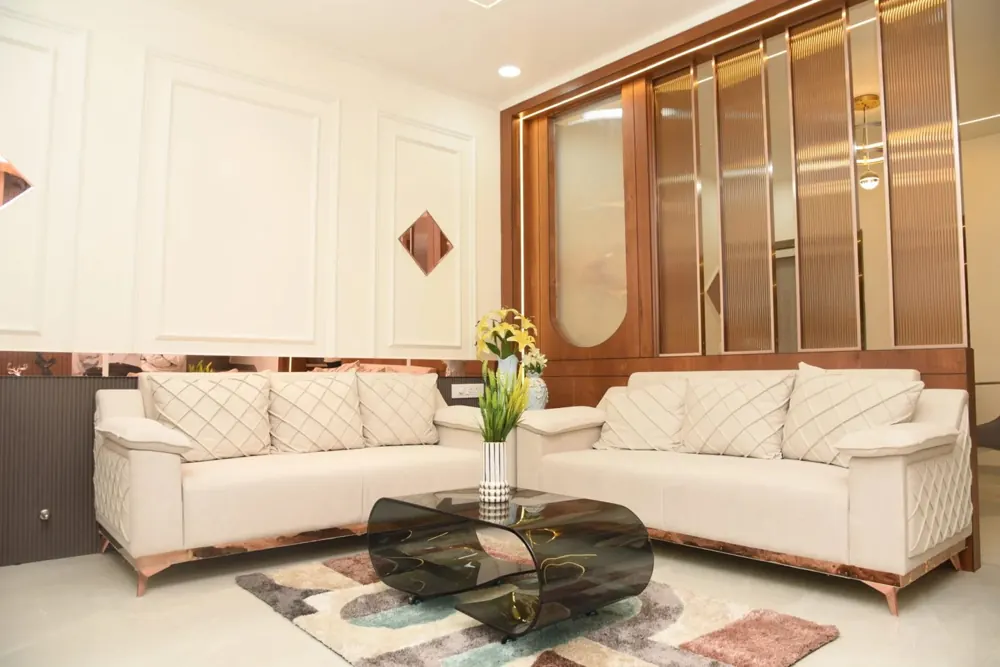
A useful first meeting starts with how your family lives. Instead of collecting dozens of unrelated room pictures, prepare a short brief about your home in Latur or Ausa: who uses each room, what already works and what you want to change.
Make a room-by-room priority list
Write three columns: needed now, useful later and items you will retain. A kitchen with insufficient storage may take priority over a decorative feature wall. Include furniture you already own, along with dimensions and photographs, so it can be considered in the plan.
Prepare the site information
Bring the available floor plan and mark doors, windows, columns and fixed plumbing points. Label the units on any measurements. These notes support an initial conversation; the execution team still needs to verify the site before manufacturing or final pricing.
Explain the household routine
Note how many people cook, whether guests stay regularly, where children study and which belongings need storage. Mention cleaning preferences and access needs. These details help define storage and circulation more clearly than a style name alone.
Agree the service you need
3D views help communicate appearance. Working drawings communicate agreed dimensions and details. Turnkey execution involves a further scope for materials, labour and coordination. Ask which of these are included, who checks measurements and who approves changes.
Use a real project to ask better questions
Tulsi Niwas in Ausa is shown in this website with original studio photographs and a walkthrough. Use it to discuss finishes and details you like, rather than assuming another home will have the same cost or dimensions. Every site needs its own brief.
Arrange the next conversation
The listed studio is at Bhusar Gali, Ausa. Call before visiting and confirm site-visit arrangements for your address. Bring your priorities and budget range; the next useful outcome is an agreed scope list, followed by a measured quotation.